
Toddlerhood: Translation to the Clinical Setting
Supporting Emotion Regulation and Cooperation
- Notice and describe the toddler’s new developmental gains, i.e., the language explosion, more sophisticated joint (shared) attention, pretend play, two step problem solving and increased certainty about their wants and needs.
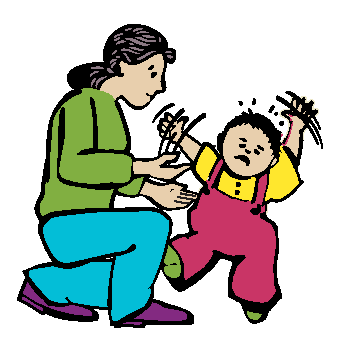
- For older infants and toddlers, frame the baby’s new protesting behavior as a positive sign of the baby’s cognitive and social development. Reassure that it is not spoiling to help their baby with these new BIG emotions. Providing this “co-regulation” now helps their baby develop self-regulation as they get older.
- It is helpful for parents to hear that:
- Tantrums are normal and not a failure of parenting.
- Poor impulse control is a normal part of development and usually does not mean that the child is willfully disobeying them (though it can feel that way).
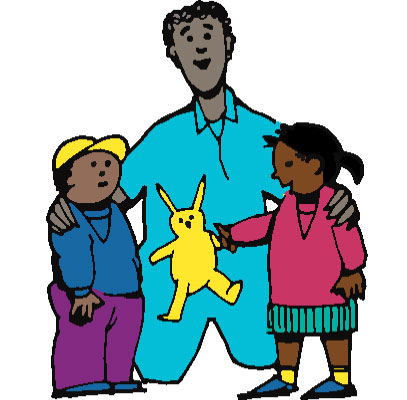
- Parents often need to run on two tracks where they provide the necessary limits for their busy, curious toddler while at the same time help their child manage their big emotions in the face of so much frustration.
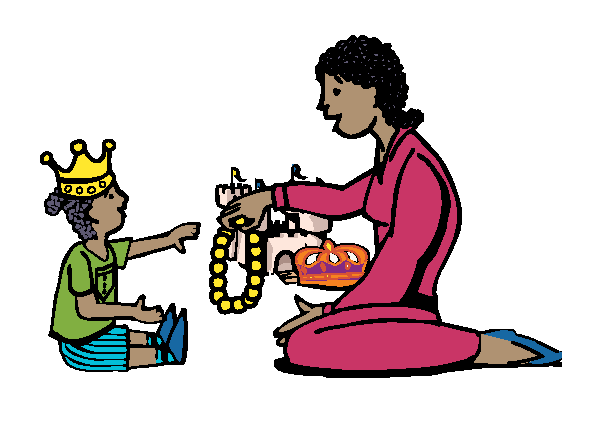
Shared moments of delight continue to help the baby’s development and are a buffer for families under stress. Slow the visit down and enjoy these moments with families when they occur. Offer strengths-based feedback about the presence of shared delight when it occurs
Handouts to Support Emotion Regulation and Cooperation in Toddlers
- Handout #8 Big Ideas and Big Emotions
- Handout #9 Encouraging Cooperation in Everyday Moments
- Handout #10 Staying Connected During Difficult Moments
- Handout #11 On the Path to a Positive Sense of Self
- Handout #12 Reconnecting During Difficult Times
- Handout #13 On the Path to Successful Transitions and Separations
- Handout #14 Play and Delight