
Feeding: Newborn
Establishing breast-feeding or bottle-feeding with adequate weight gain is the key goal of the early newborn period. Initially, parents often worry about how often their newborn should be eating and if their baby is getting enough. Learning about feeding cues helps parents see more clearly when their baby is hungry and when they are full and increases the parent’s confidence during a key time in early infancy.
Babies give hunger and satiety cues that parents can learn to see and follow. The “hunger posture” describes a baby with open mouth, rooting with arms and legs flexed. As the baby becomes full, satiety cues include slowed sucking with arms and legs extended with relaxed fingers.
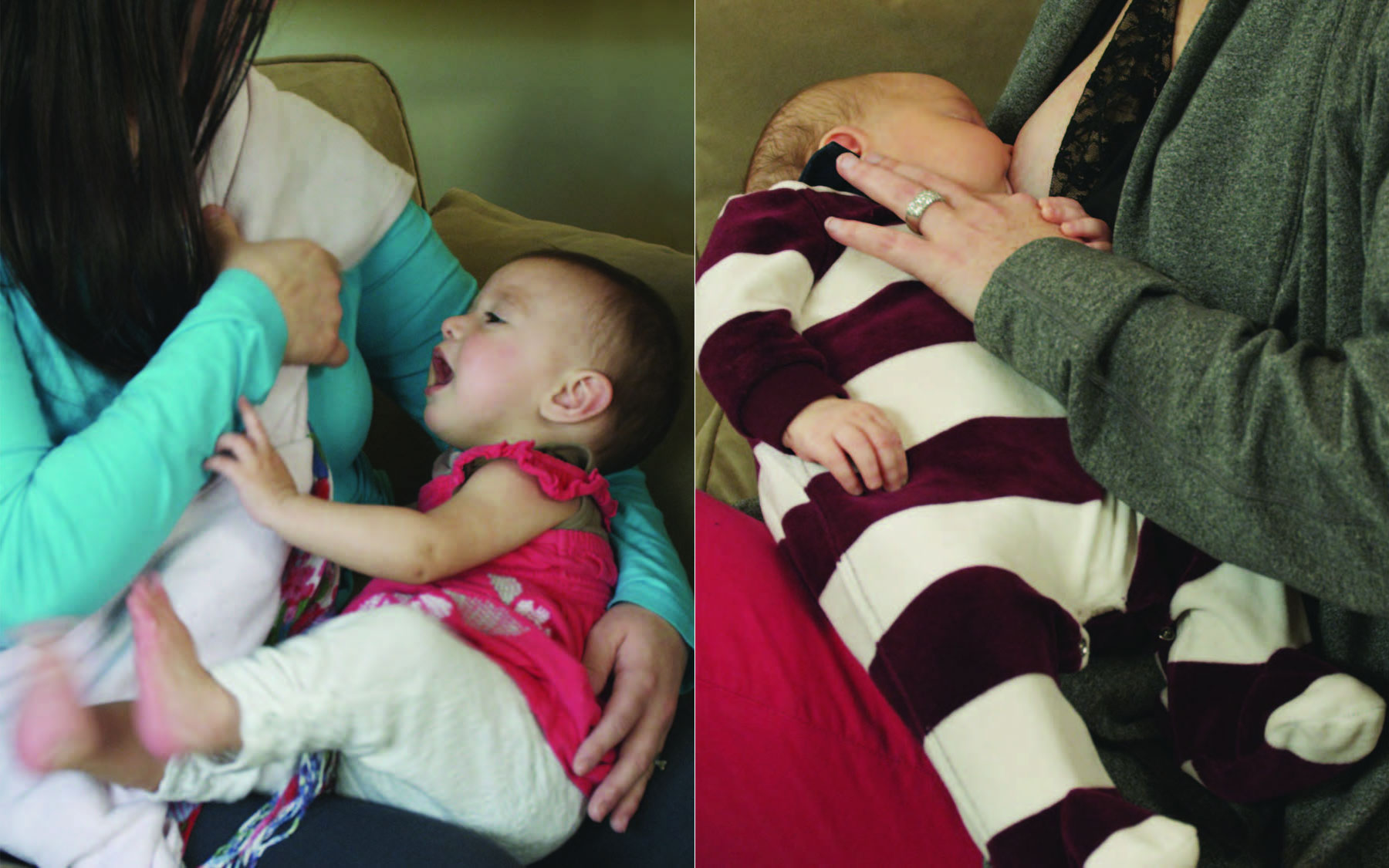
Given the frequency of feedings, parent feeding styles such as being responsive to infant cues or having a more pressured style of feeding (from feeding worries) can become habituated and entrenched quickly. Consequently, the dance of feeding can become very stressful for the parents and the baby. Parents need ongoing support and reassurance to provide responsive feeding.
Newborns spit up, hiccup, sneeze and have more audible gas than older infants (thinner abdominal wall, shorter esophagus). It’s as if the “electricity” (from the immature brain) to the “plumbing” (GI tract) is not fully online yet. Newborn spitting up and gassiness in combination with normal fussiness in early infancy can intensify parent’s concerns about feeding and cause parents to miss or over-ride their baby’s feeding cues. Returning to the centrality of reading cues during these early months can help parents know when to offer a feeding or when to give their over-stimulated or fatigued newborn a break from stimulation or help to fall asleep.
Reading feeding cues right from the start also orients parents to reading other cues as the baby’s development unfolds and helps parents feel effective in the care of their infant.