
Feeding: 12 Months Through Early Childhood
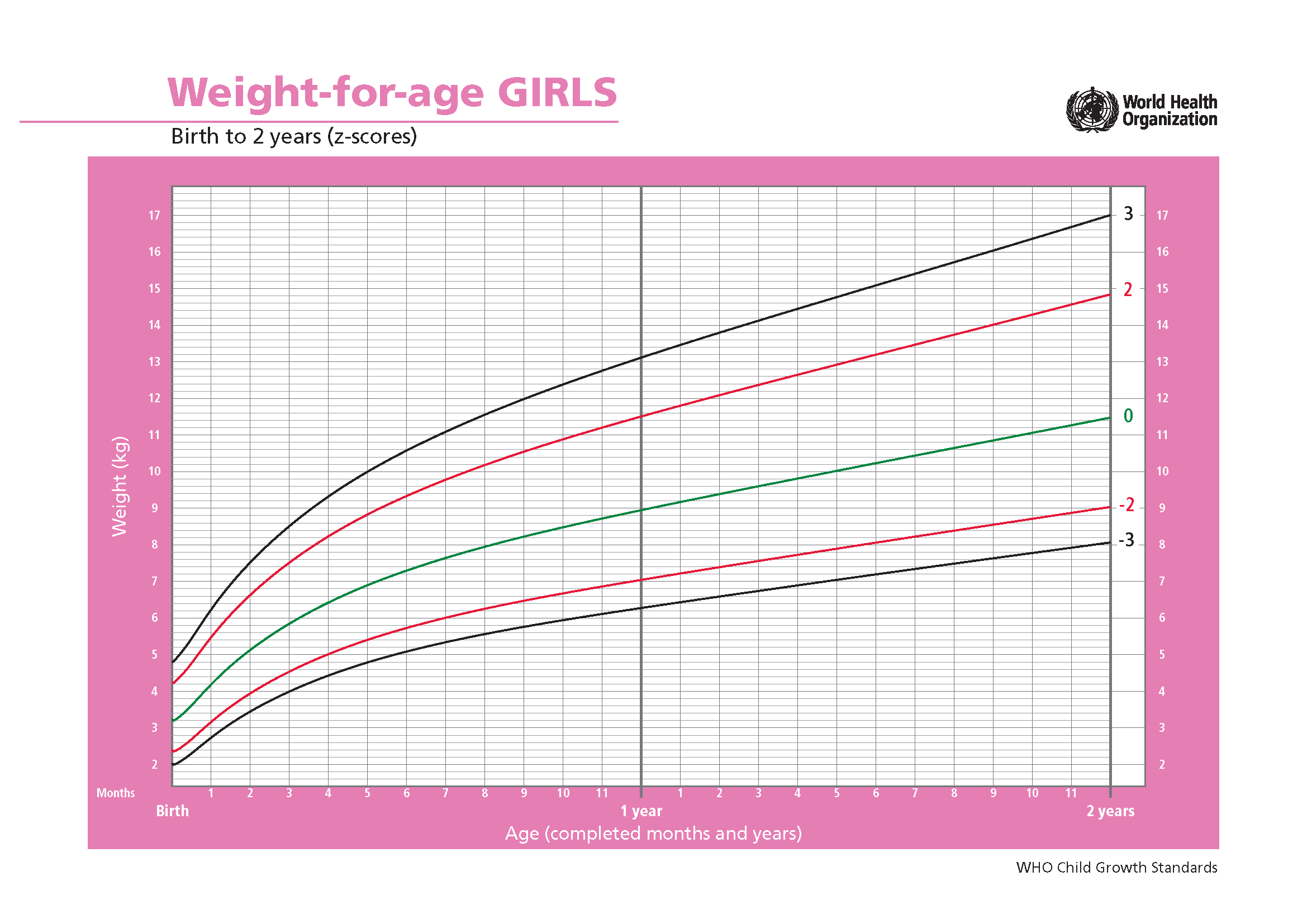
The rate of weight gain for toddlers starts a long plateau between approximately 9-12 months of age.
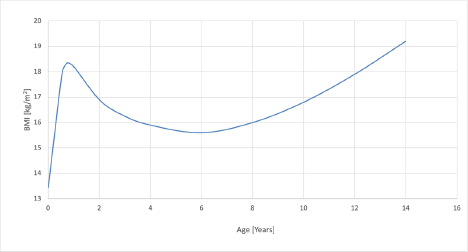
The infant’s BMI continues to decrease from its peak at 9 months until it reaches its nadir at approximately 5 years of age and then increases throughout childhood (known as the “adiposity rebound”). It’s interesting to note that it is not until about age 12 that the BMI increases back to what it was when the baby was 9 months old.
Given the declining BMI through early childhood, parents can feel worried about their ever more lean/thin appearing child who seems to eat very little while running everywhere and being much more motorically active. Given these concerns, parents sometimes start overriding their child’s satiety cues and become more controlling or forceful with feeding. Some families feel pressured to cook extra meals to encourage the toddler to eat. Feeling out of sync and worried during mealtimes is exhausting and frustrating for both the parent and child and can trigger obesity and feeding battles.
Eating together at predictable times with predictable routines around eating helps develop healthy eating habits.
Toddlers do not need calories during the night, and if they are still feeding during the night, these feedings can be tapered off.
These next 3 videos show examples of an infant’s disengagement cues during high-chair feeding. Older infants, with their expected decrease in appetite from the change in their growth patterns, combined with their more clearly defined ideas and bigger emotions, frequently exhibit disengagement cues during feeding. Acknowledging parents’ fears about their child’s intermittent lack of appetite (and the disengagement cues that accompany feeling full) while also offering reassurance that it’s okay to follow their child’s cues for when they want a break while eating helps the feeding relationship feel positive and enjoyable for both the parent and child. Following the child’s cues also helps the child develop balanced eating patterns and grow in a healthy way.
In this next video, note the many disengagement cues the baby is exhibiting. These include putting his hands in his mouth, a self-clasp where he grasps his bib, turning his head a little bit away, then fully away, extending his fingers and holding up a halt hand.