Later Infancy: Translation to the Clinical Setting
Supporting Exploration and Emotion Regulation
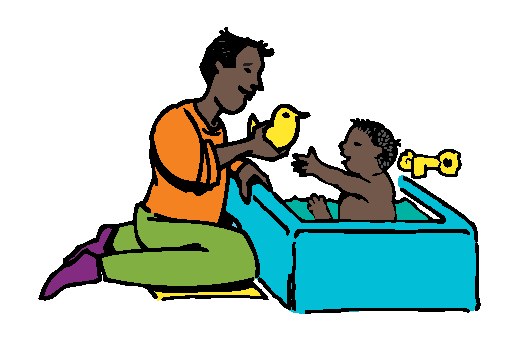
- Notice and describe the older infant’s developmental gains such as more sophisticated and reciprocal babbling, the emergence of re-duplicated babbling and new joint attention skills such as showing objects, following a point, gaze monitoring and social referencing.
- Awareness of their baby’s new joint attention skills helps parents see how relational their baby is and that their baby wants to be connected and share their mental states with them. Offer strengths-based feedback to parents that these skills are co-constructed by their interactions with their baby.
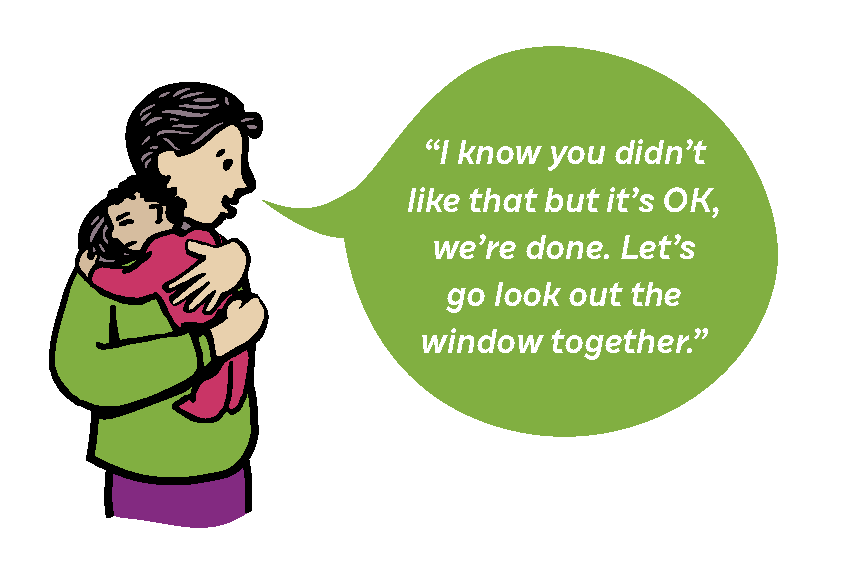
- With greater cognitive development, stranger anxiety is often present. During the visit, it’s often helpful to examine the baby in the parent’s arms or lap to help the baby feel less anxious. Notice parent’s responsiveness and soothing attempts.
- Reassure families that it is not spoiling to help their infant with their protesting behavior and bigger emotions that accompany their clearer ideas about how they would like things to be.