
Engagement and Disengagement Cues
Engagement Cues
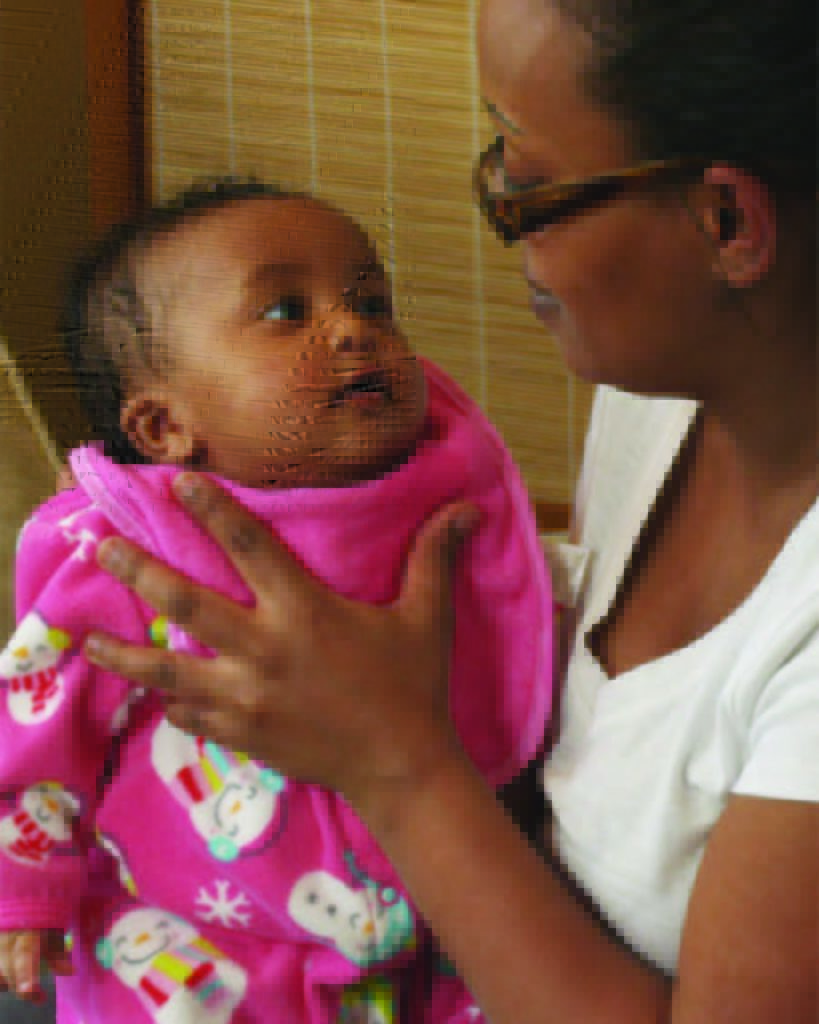
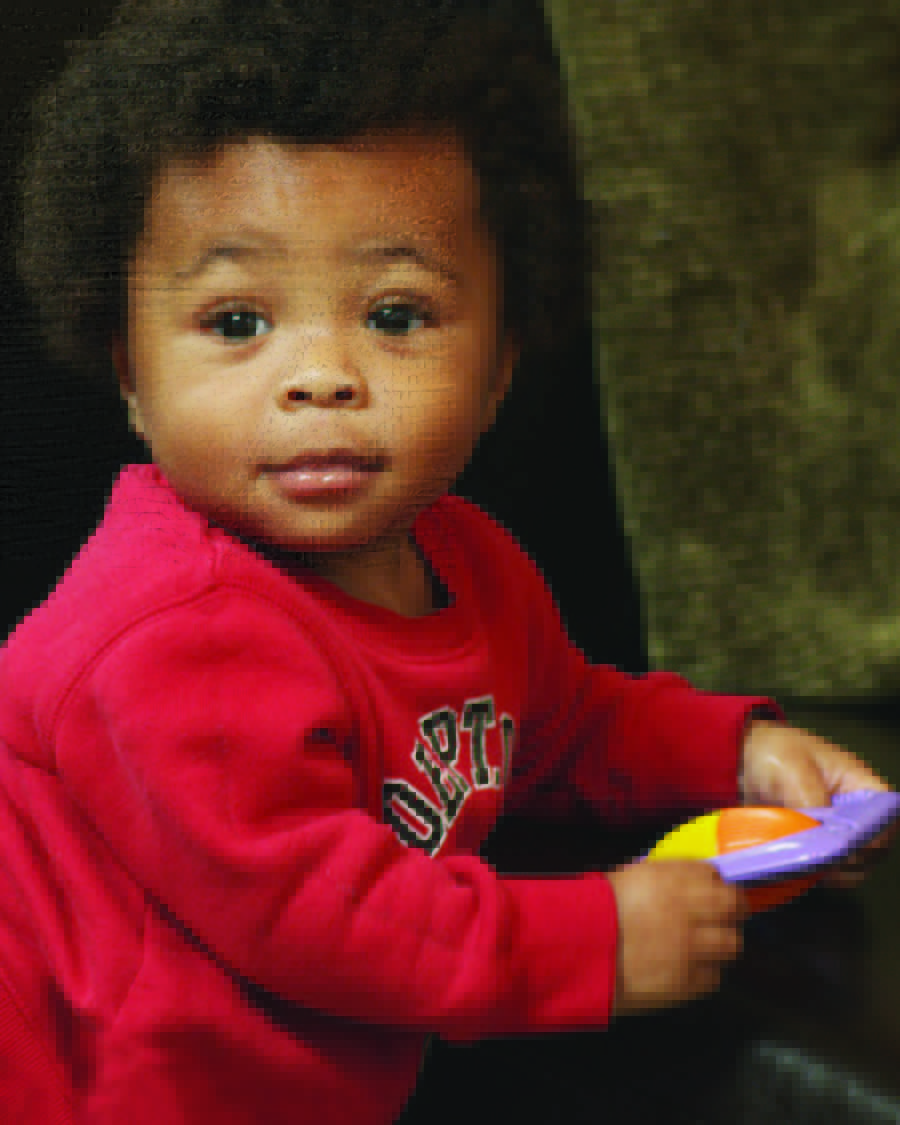
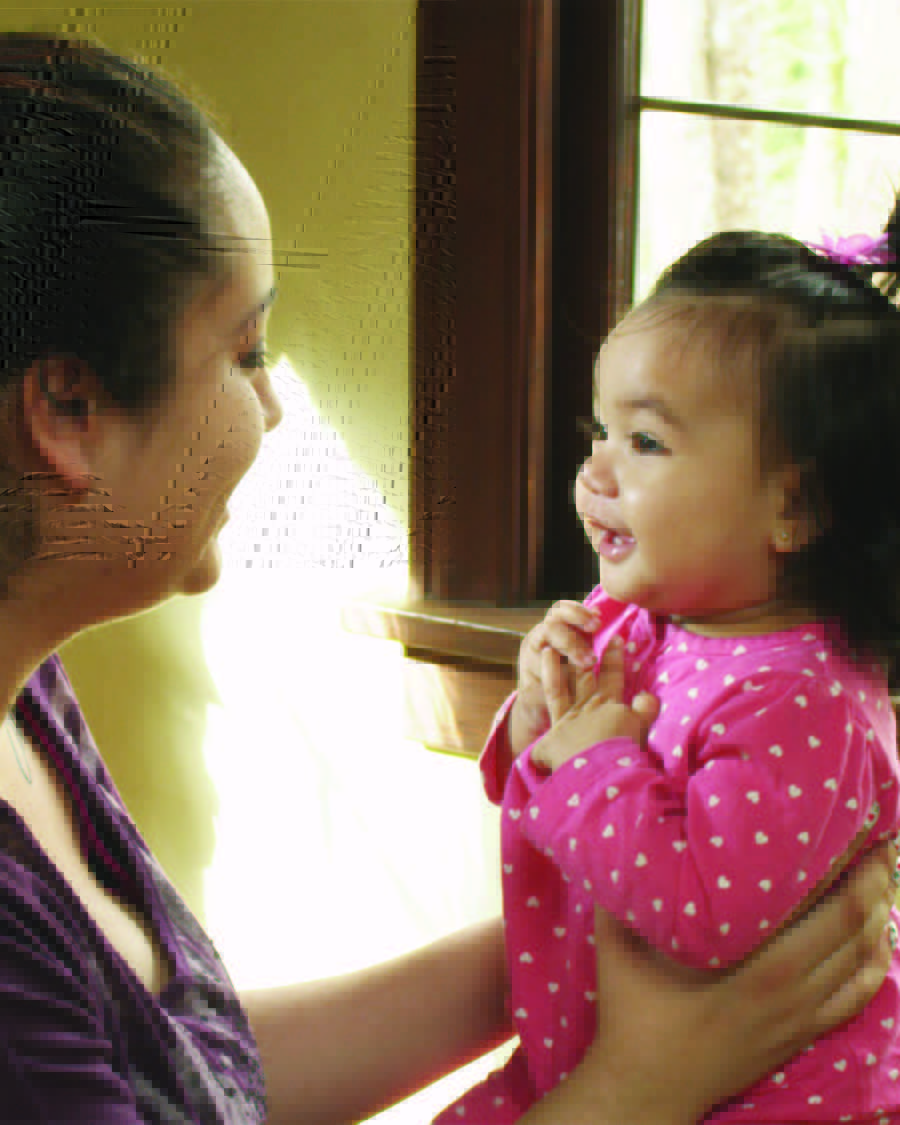
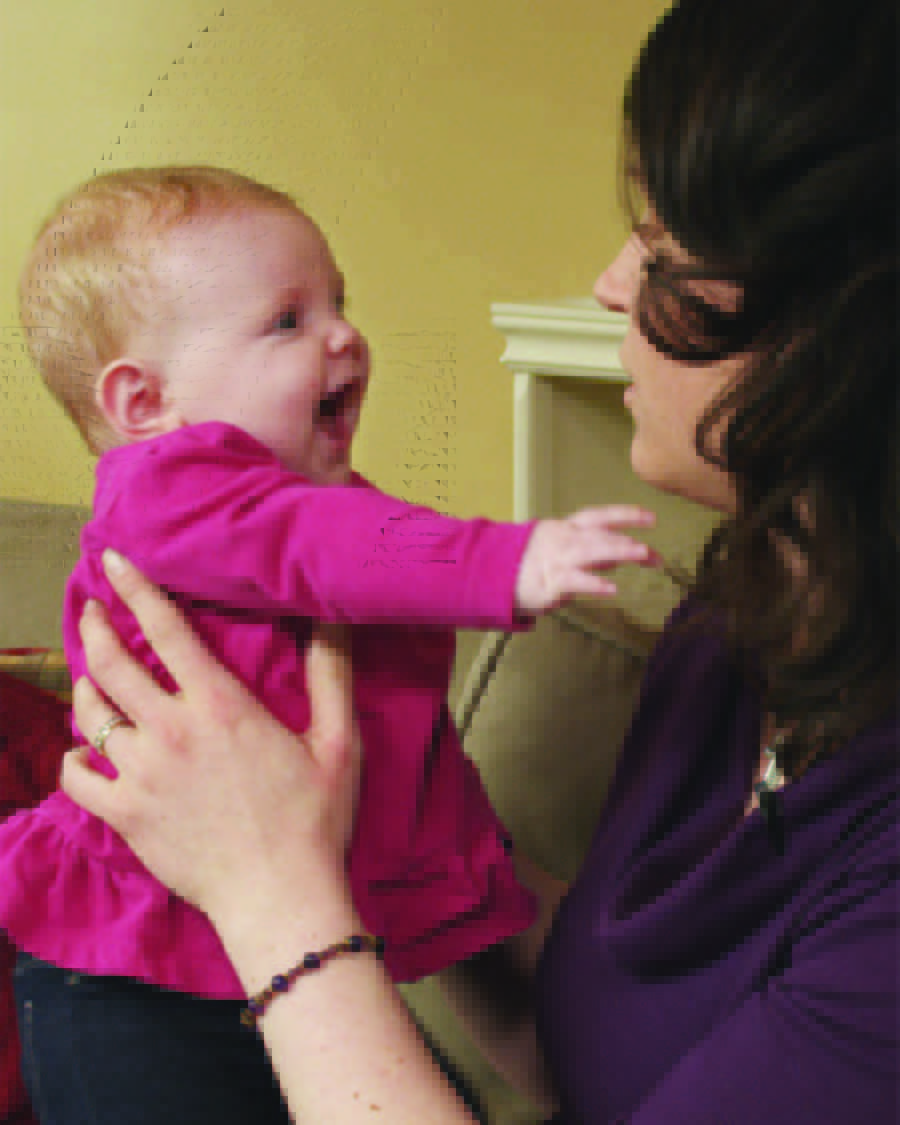
Engagement cues signal readiness to interact or learn and indicate that the child is ready to receive more input.
Disengagement Cues
Disengagement cues signal that the interaction is getting to be too much. They signal that the child needs the caregiver to slow down, stop or change what is happening in the interaction.
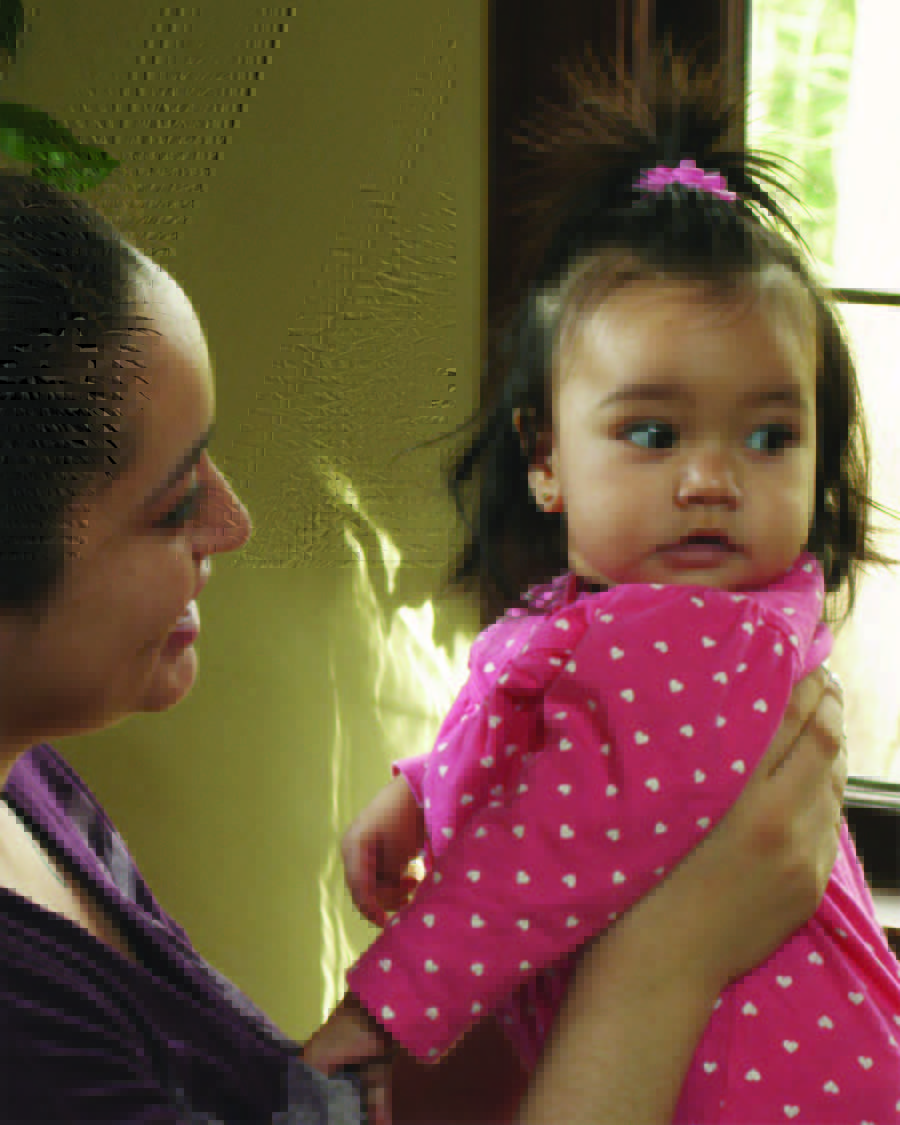
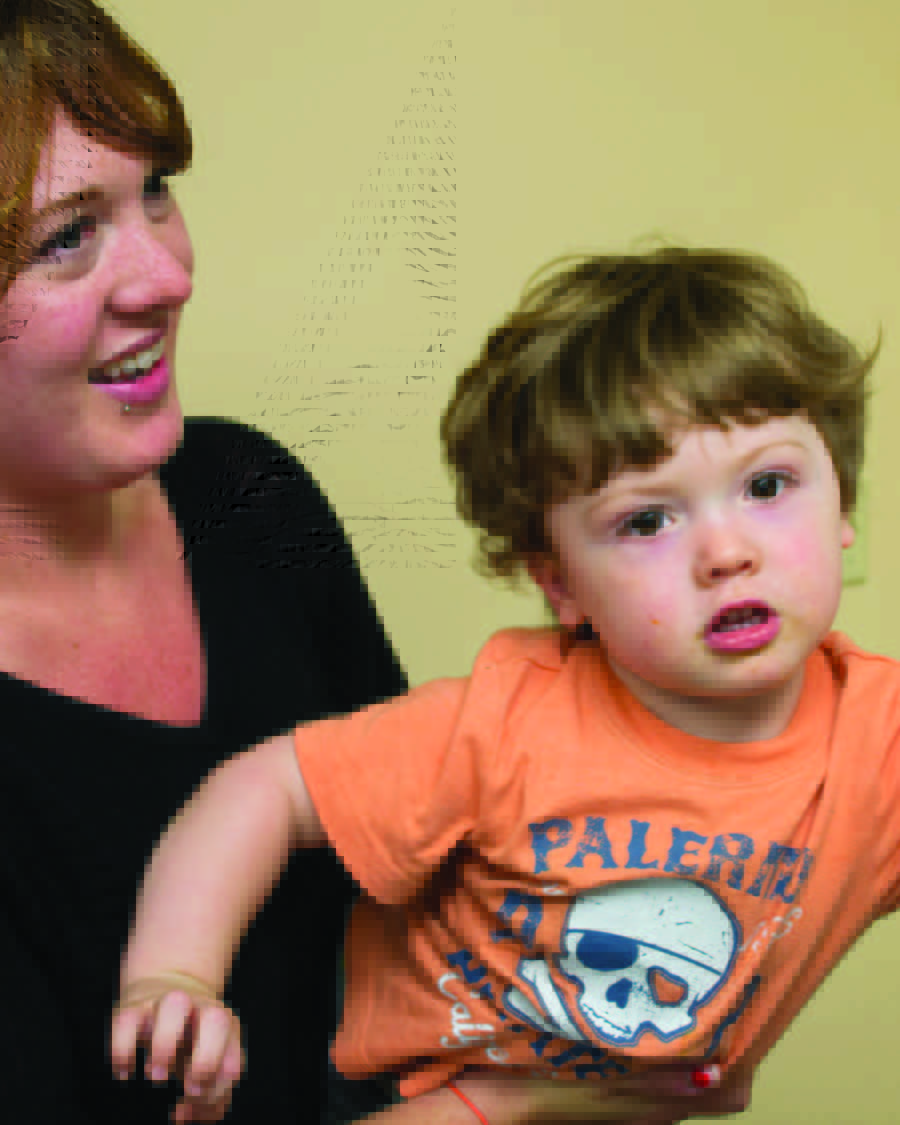
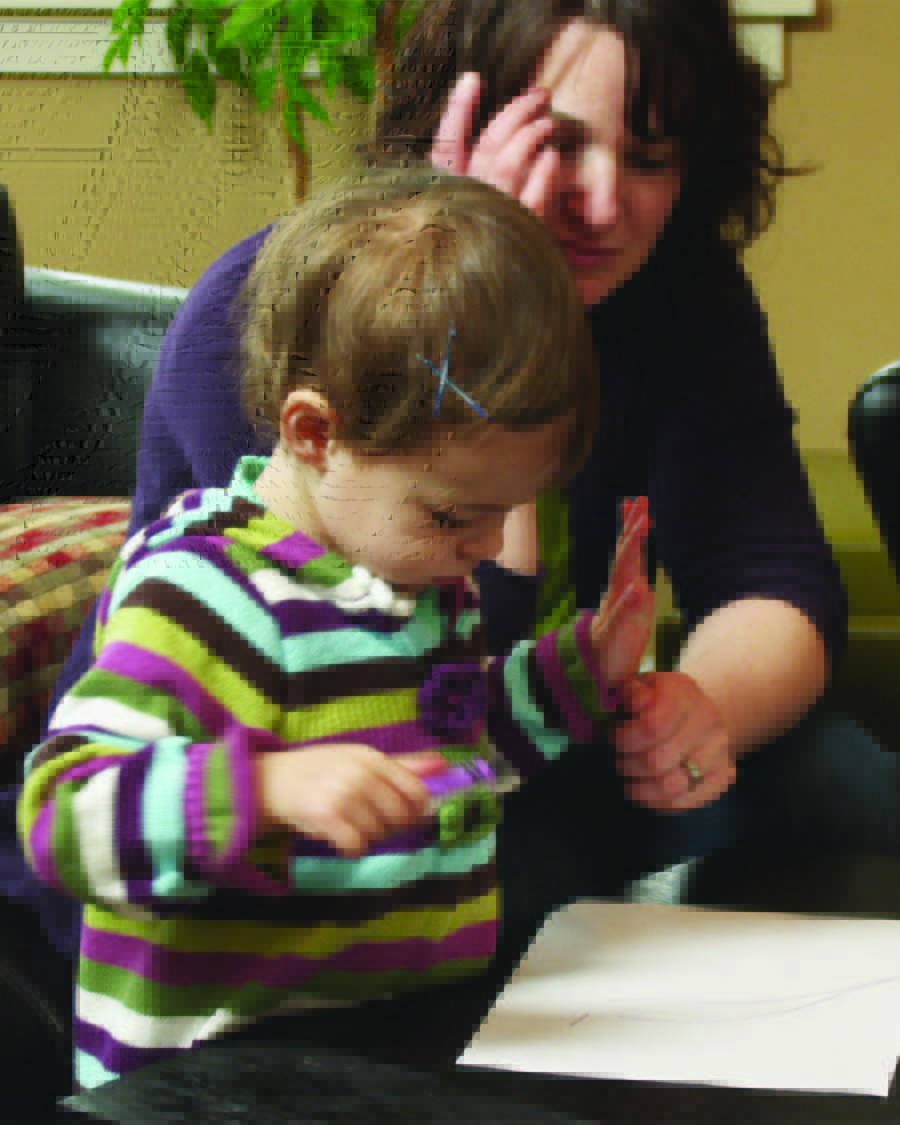
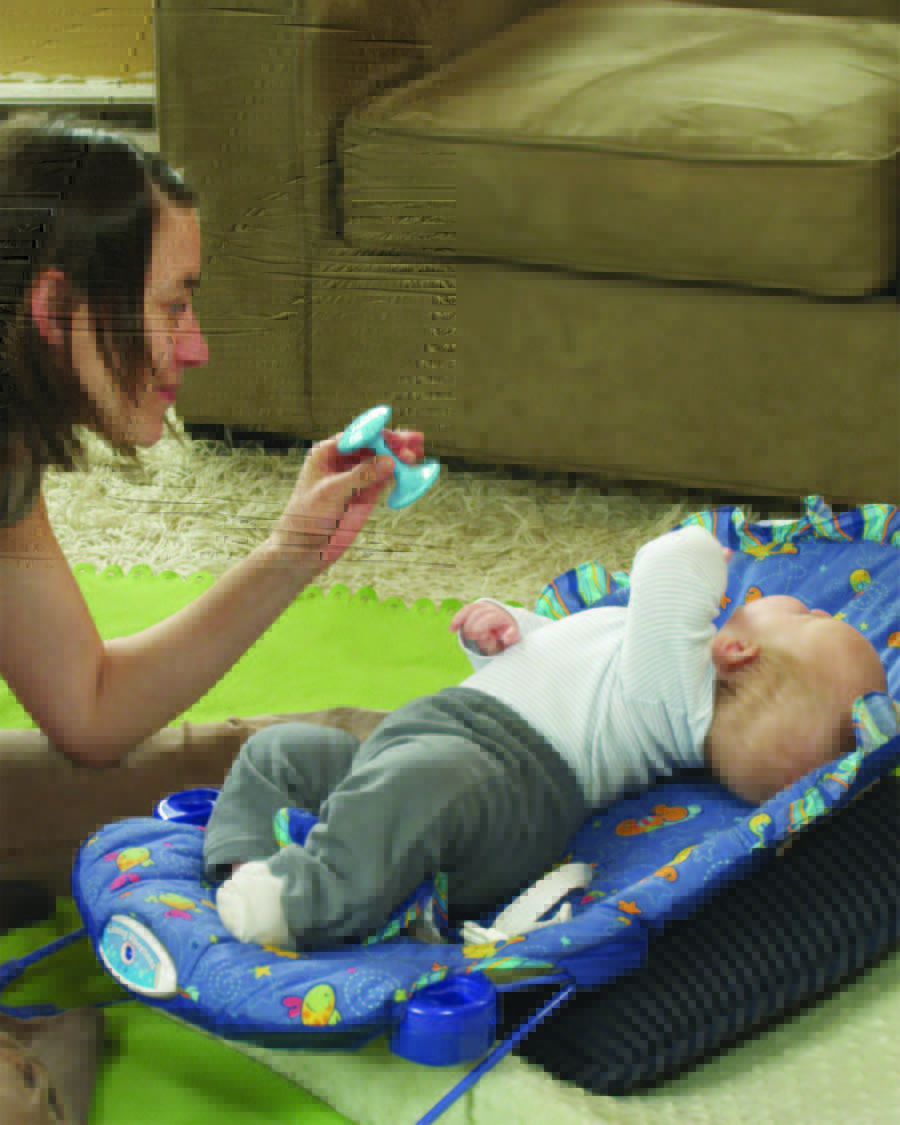
Subtle Disengagement Cues
Subtle Disengagement Cues are truly subtle and fall into two categories.
- The first type are basically softer Disengagement Cues. For example, instead of the baby fully turning their head away, they would only slightly turn their head away. Subtle disengagement cues function as pacing cues, meaning the baby needs to have the interaction slowed down a little but not necessarily stopped.
- The second type are called Displacement Cues. These occur when the body displaces energy that it is using to stay in the interaction into out of context automatic behaviors like those for sleep, eating, or grooming. It is thought that babies show displacement cues when they are stressed, uncertain or are thinking hard.
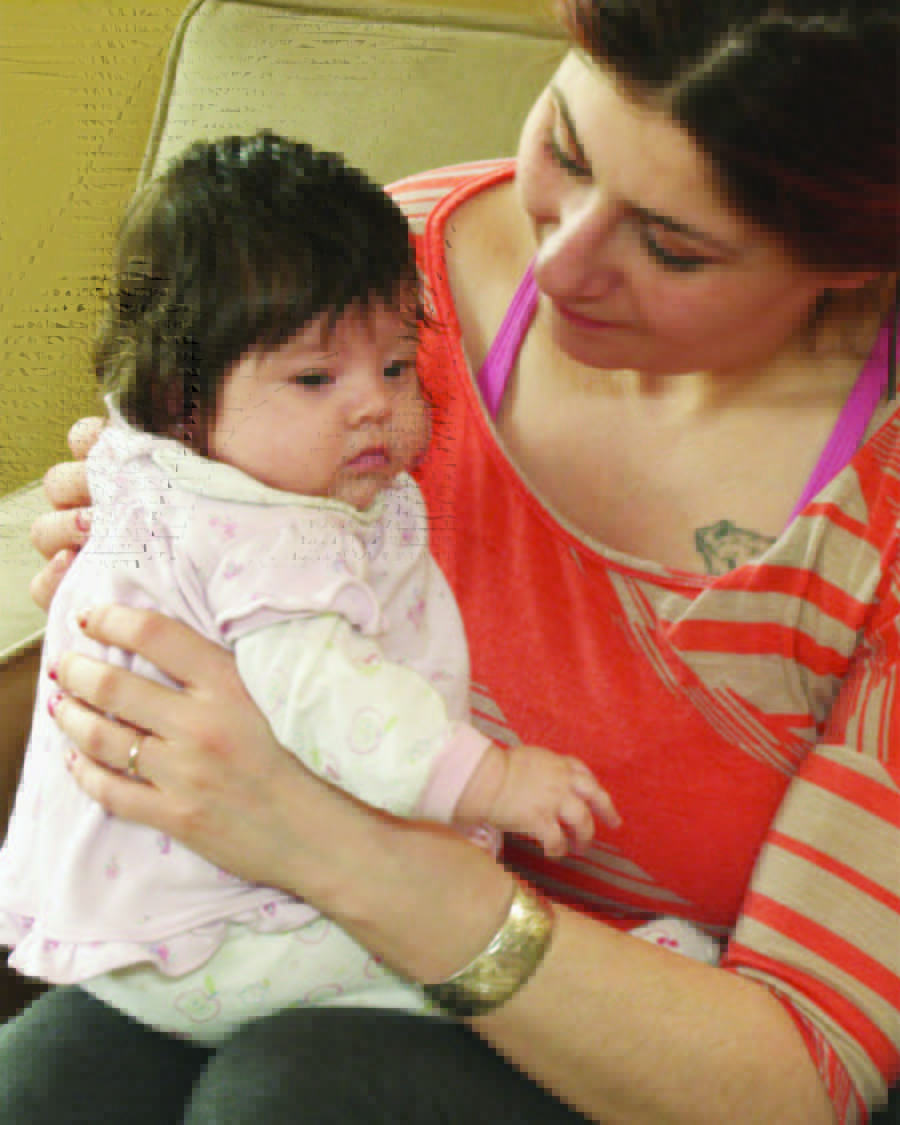
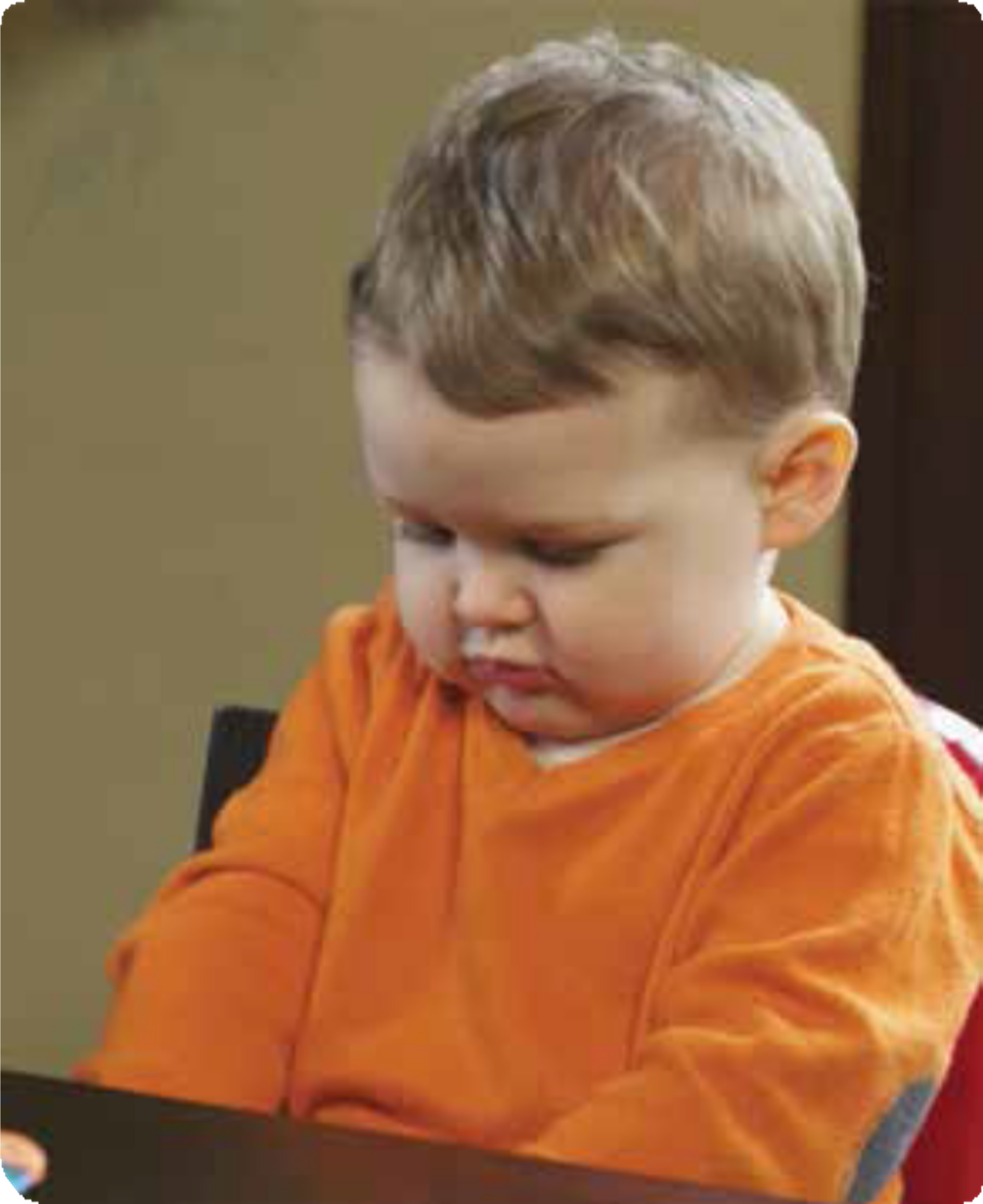
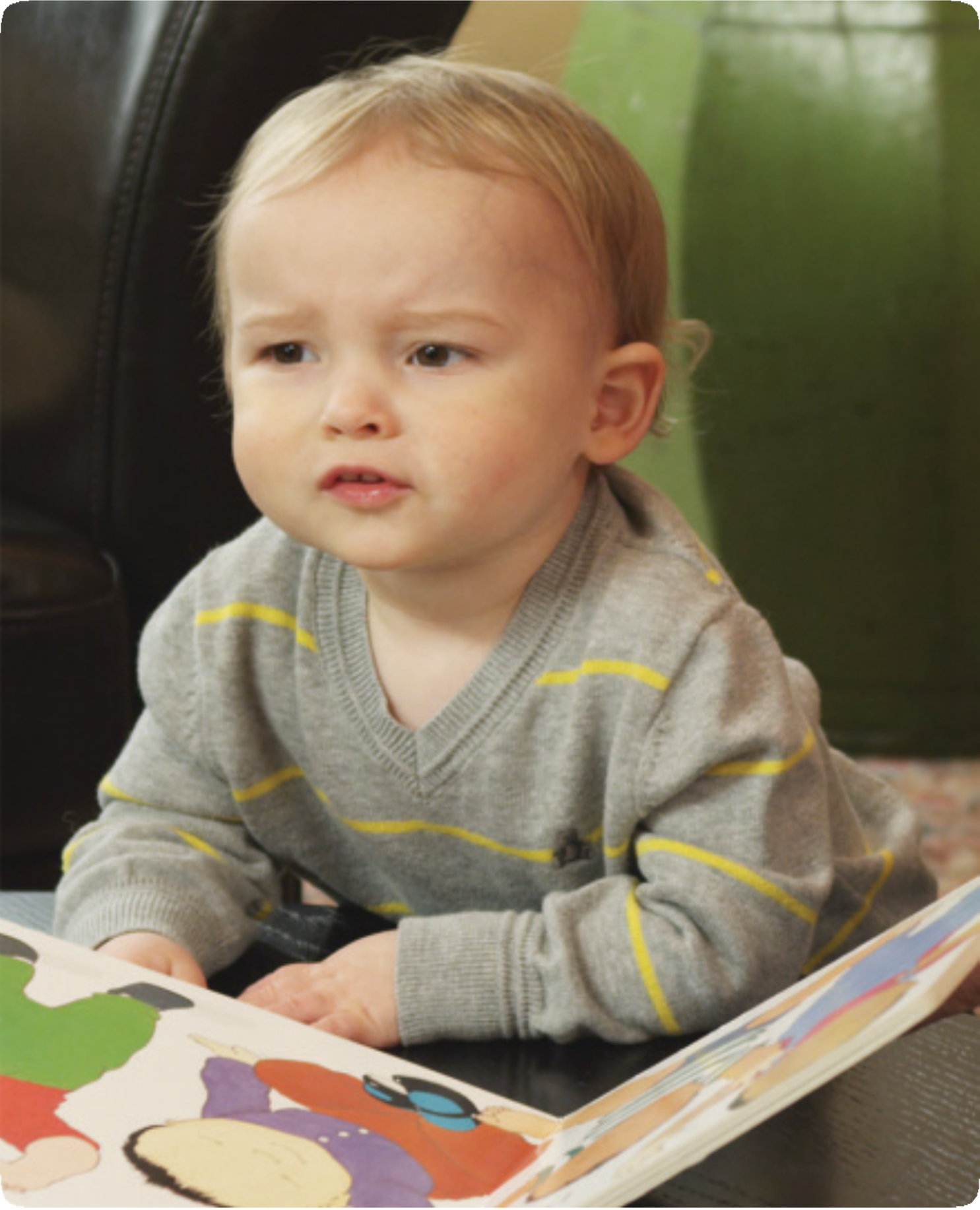
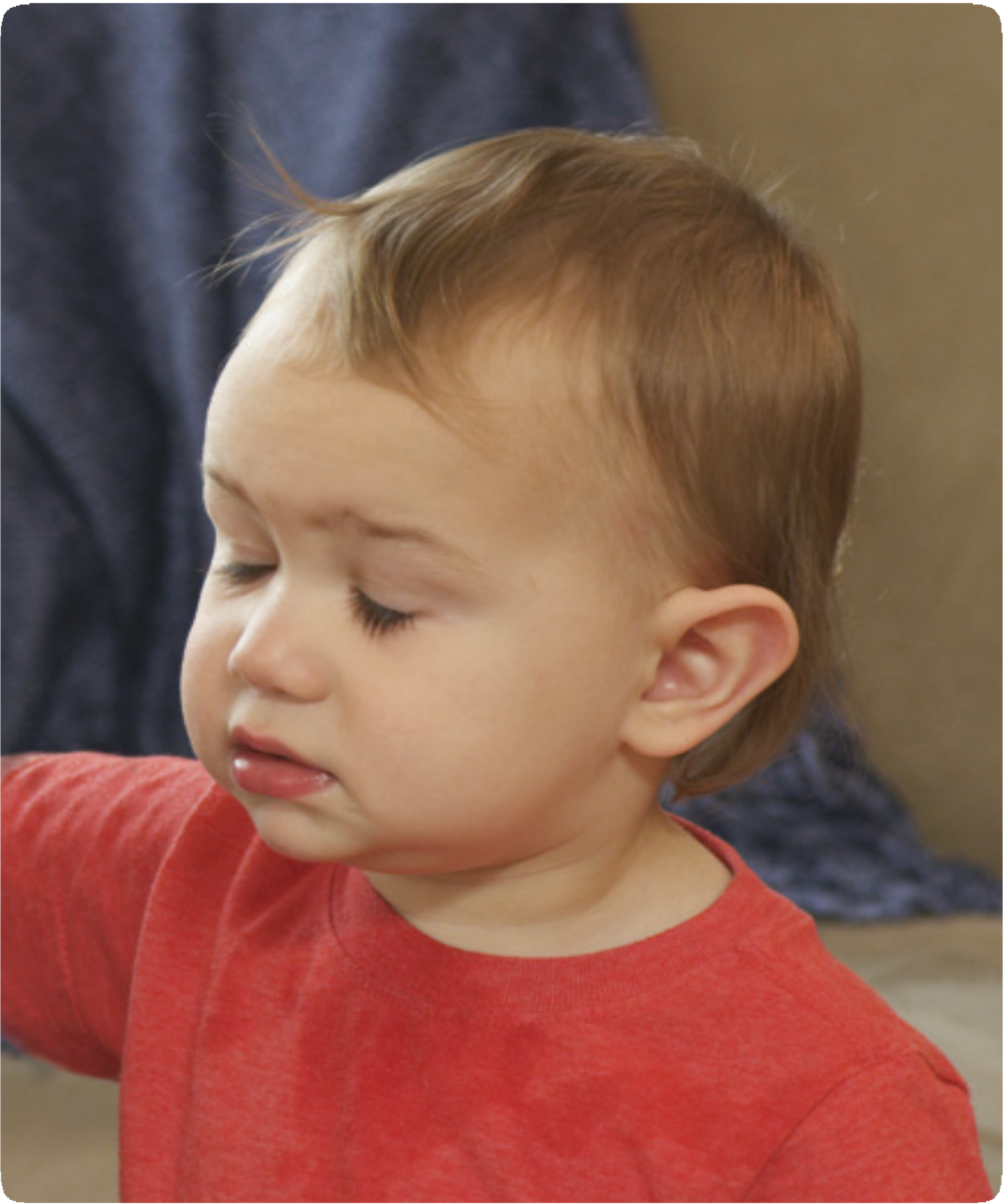
Examples of Displacement Cues:
Sleep Displacement: Hand behind head, hand to ear, yawning, stretching
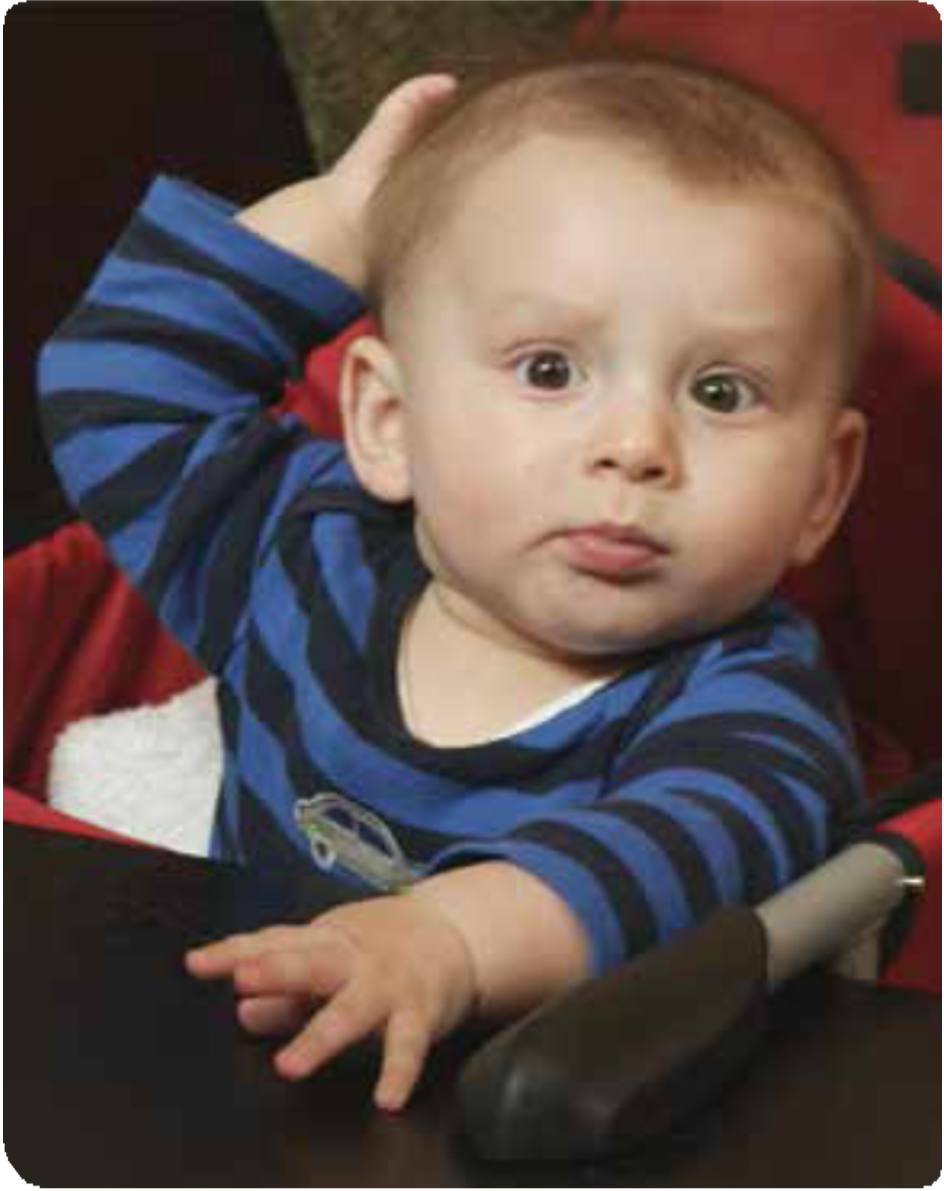
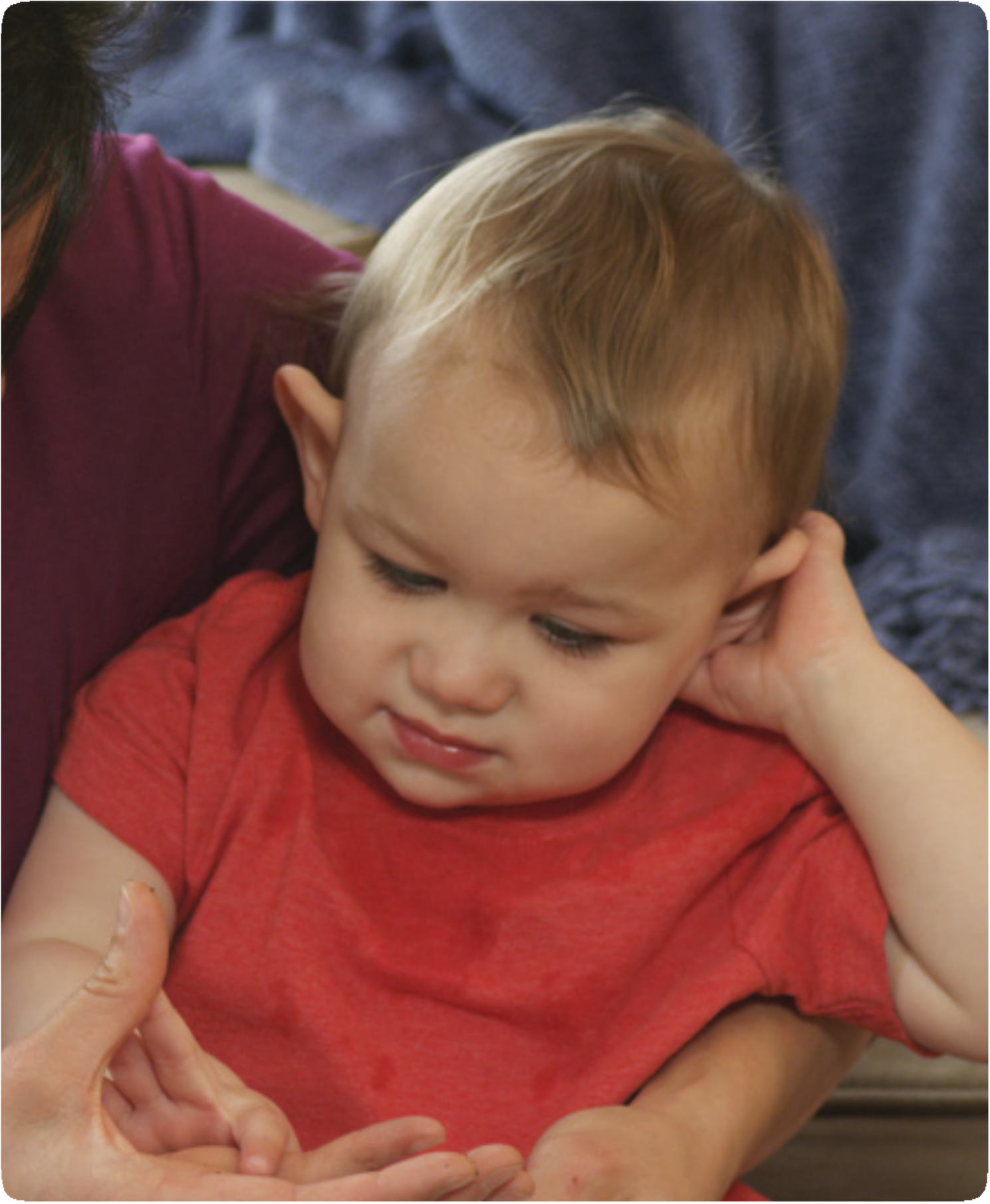
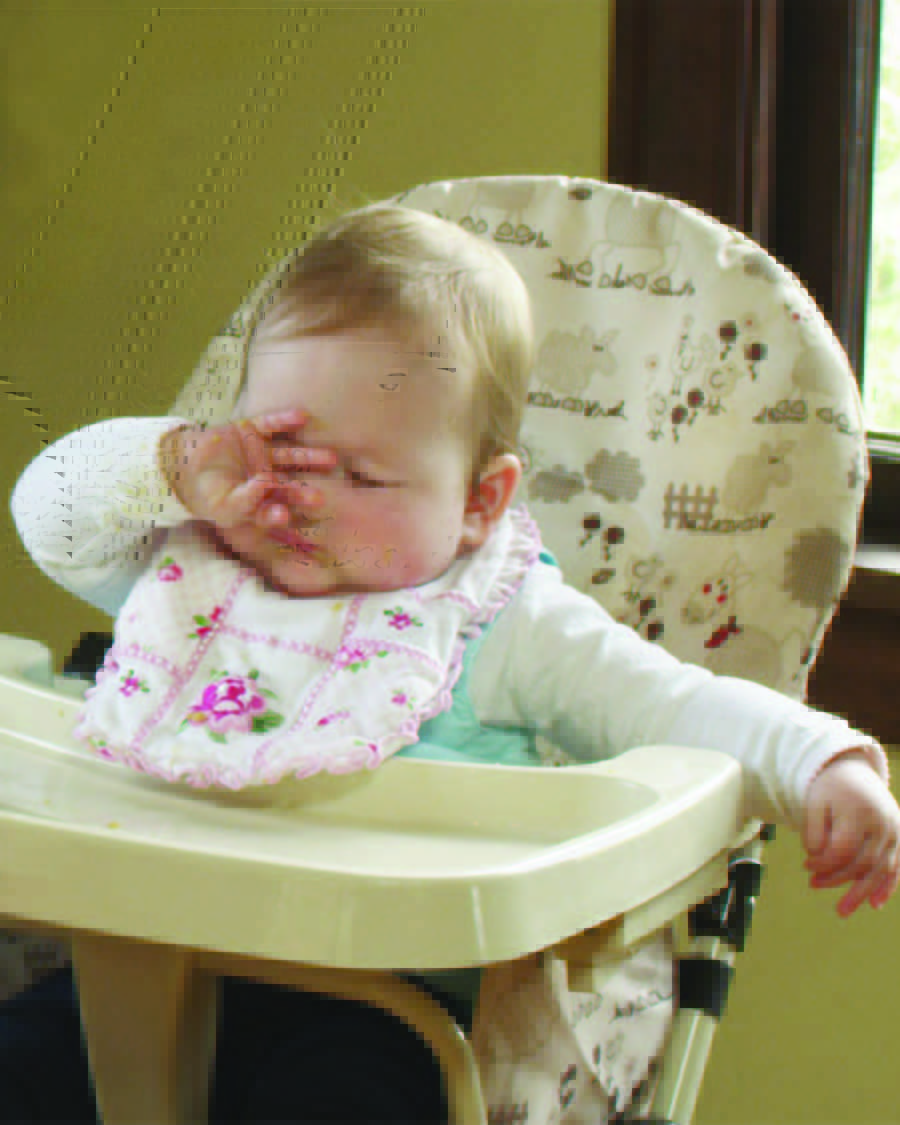
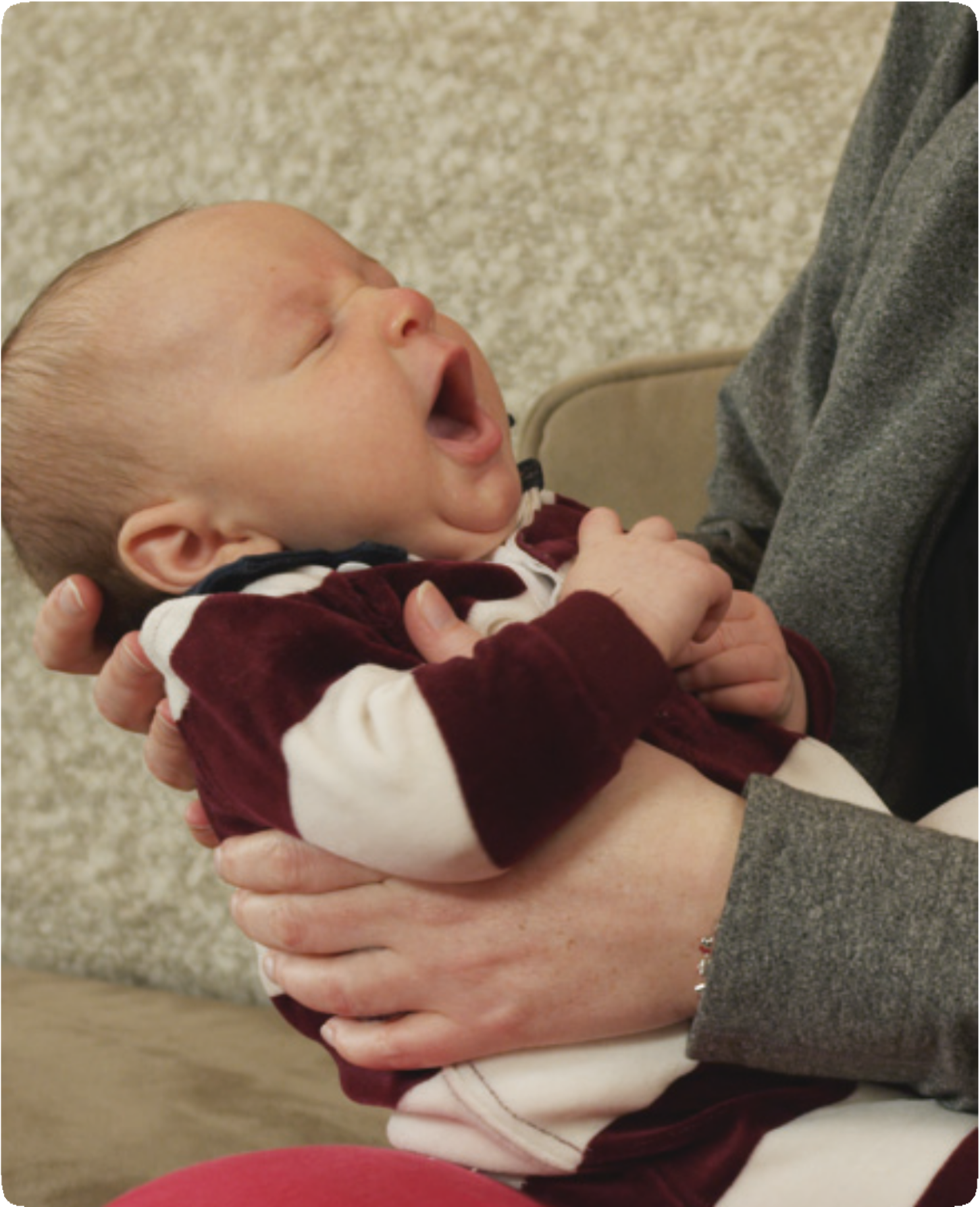
Eating Displacement: Hand to mouth (sucking fingers), showing tongue, biting lip
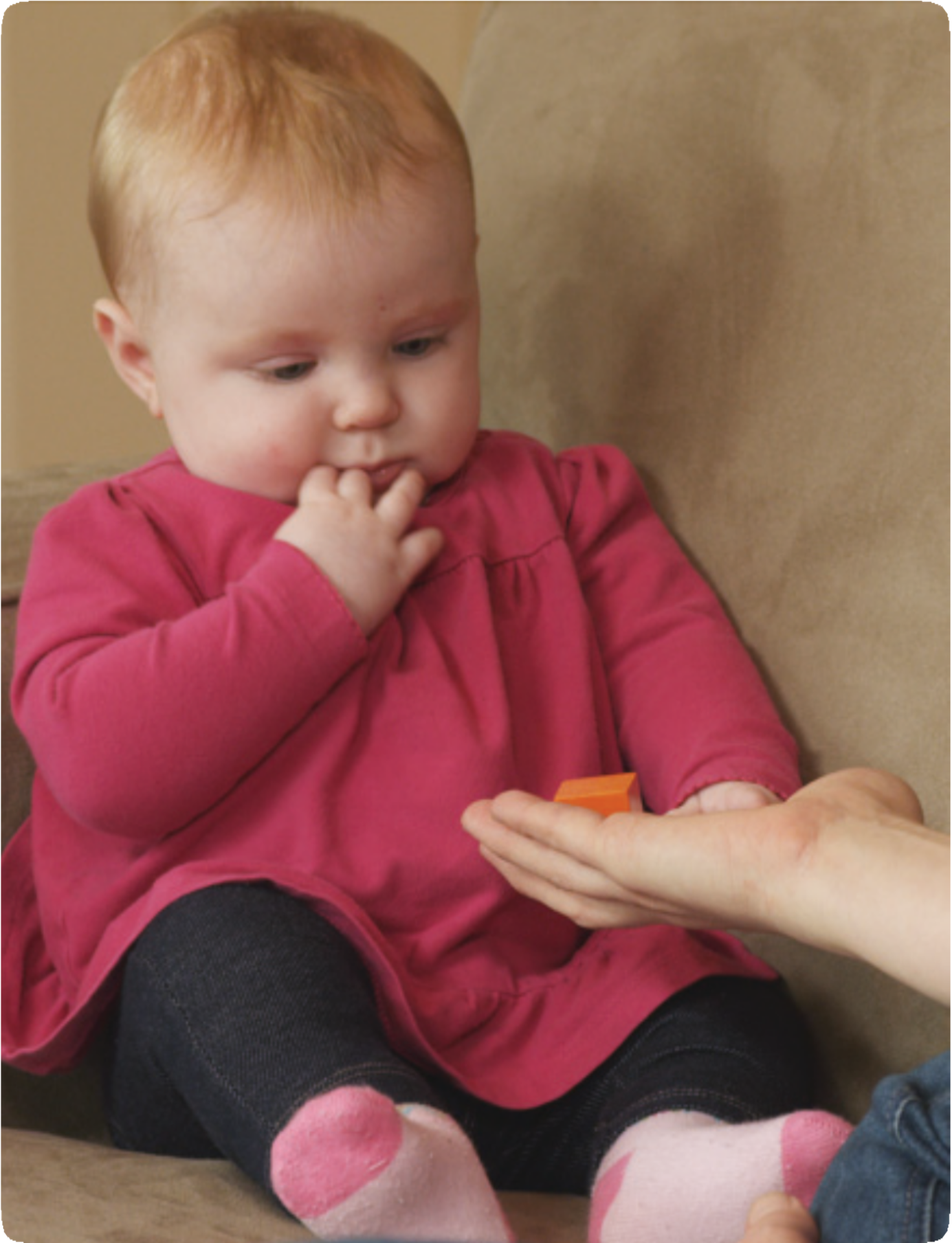
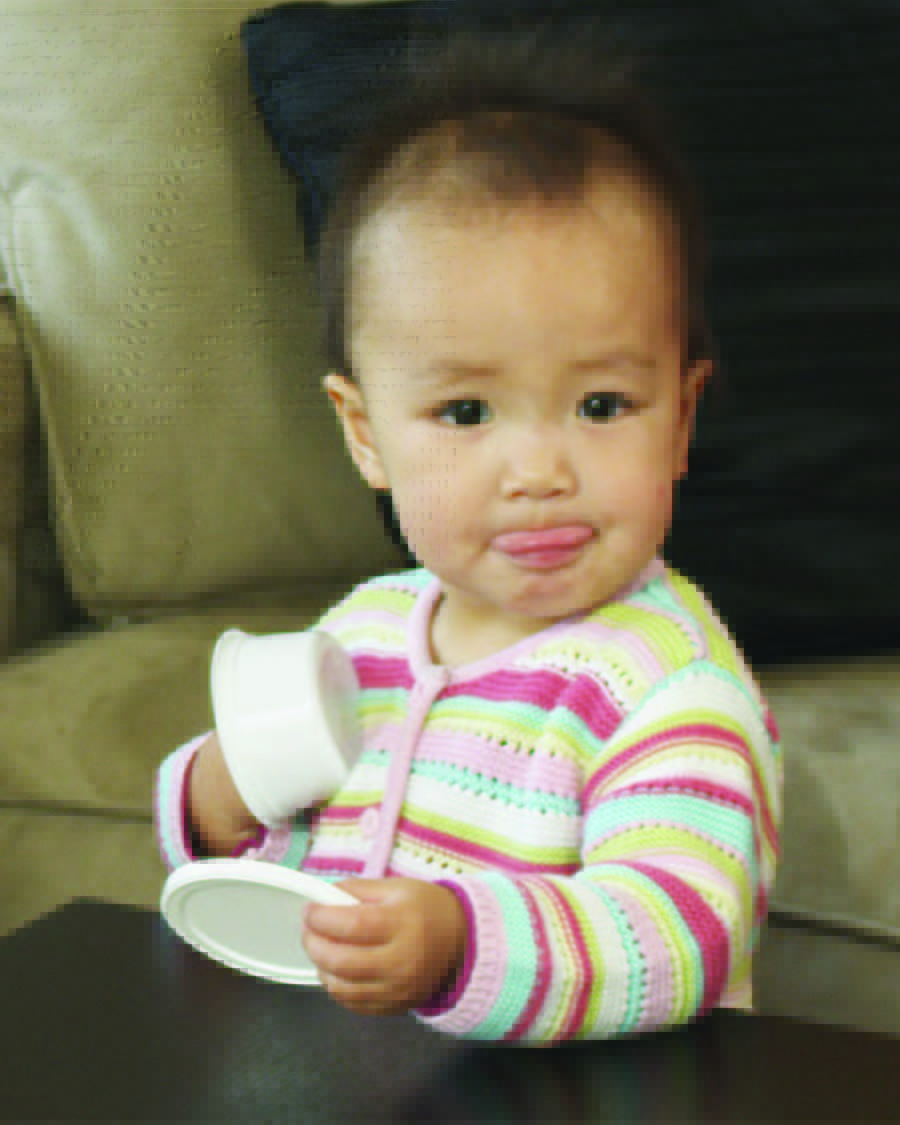
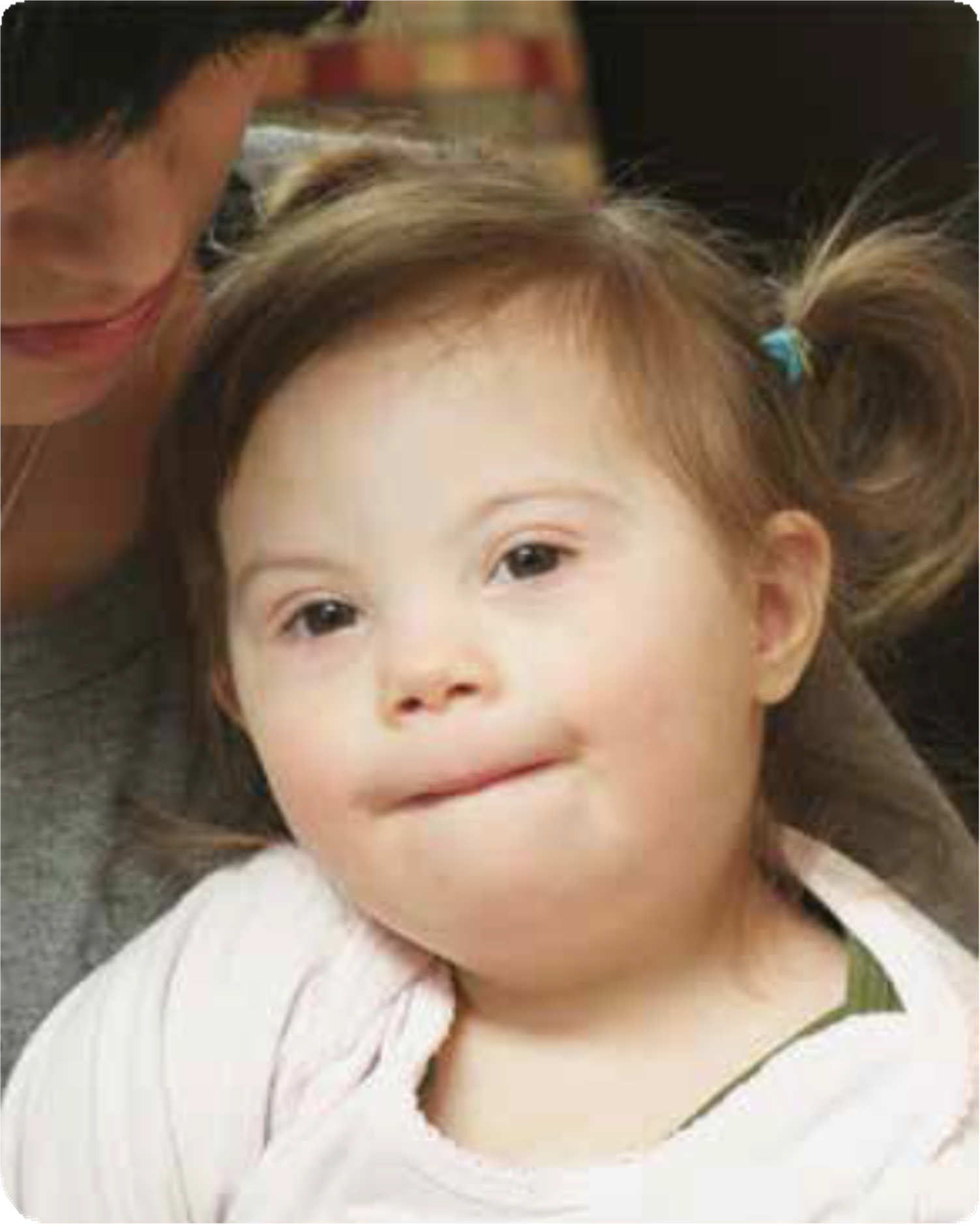
Preening/Grooming: Scratching self, clasping self, joining hands
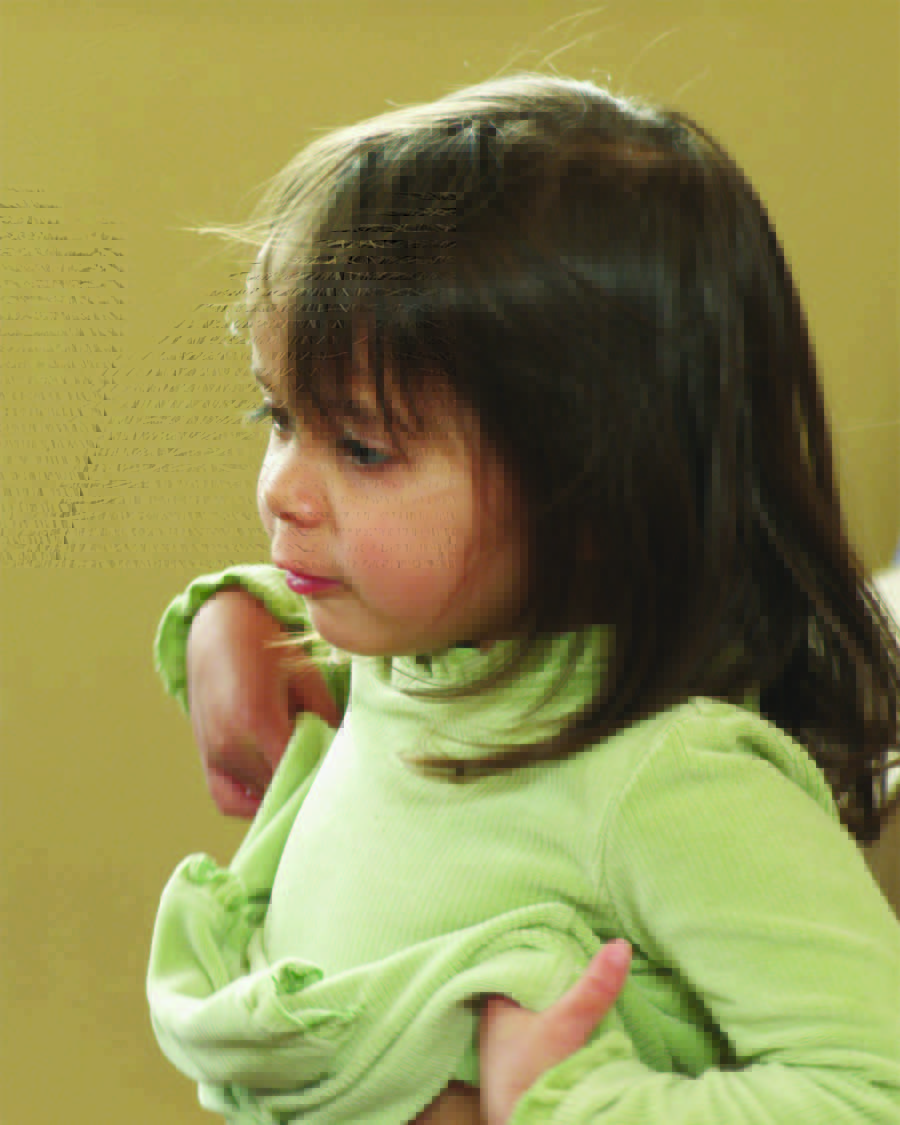
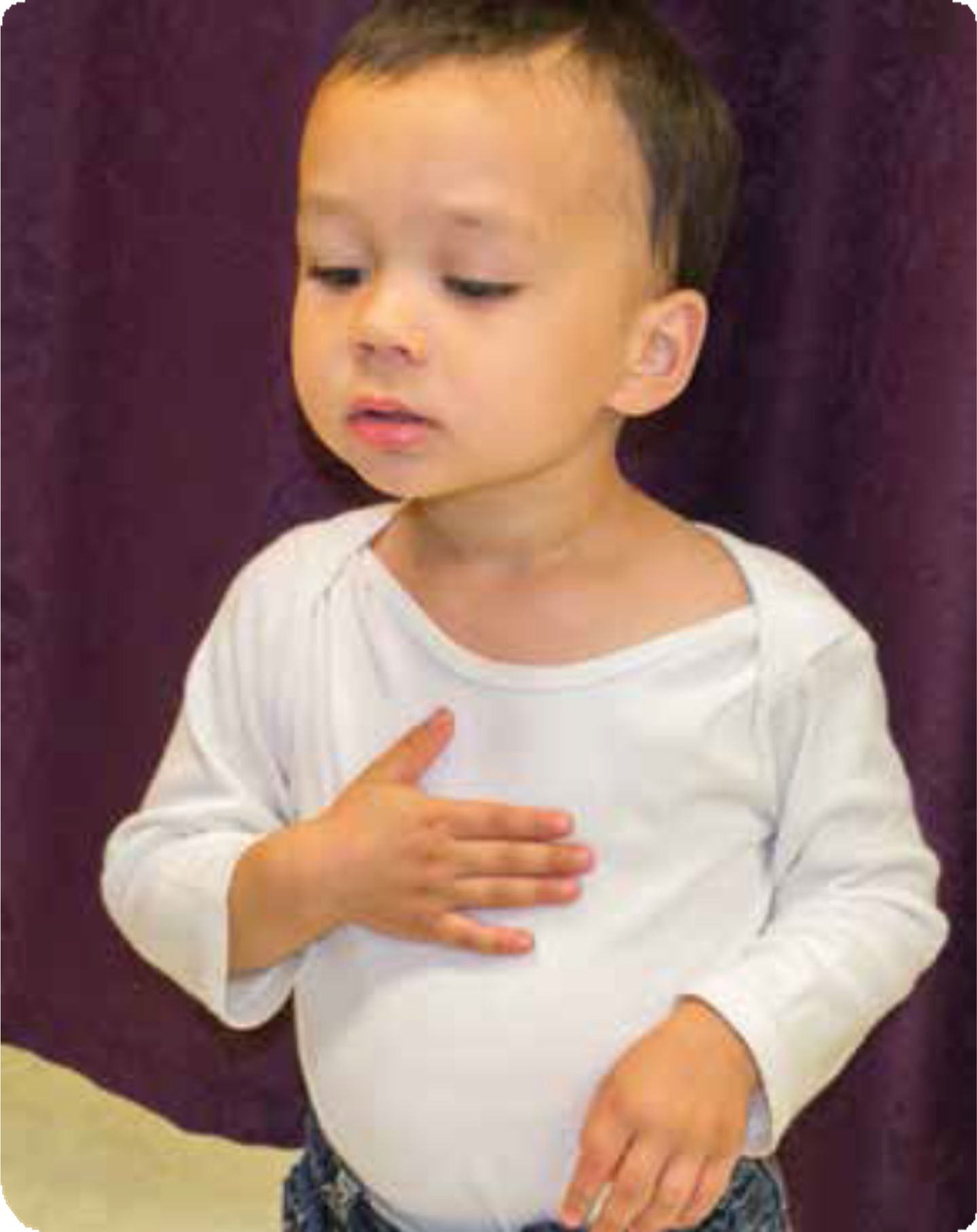
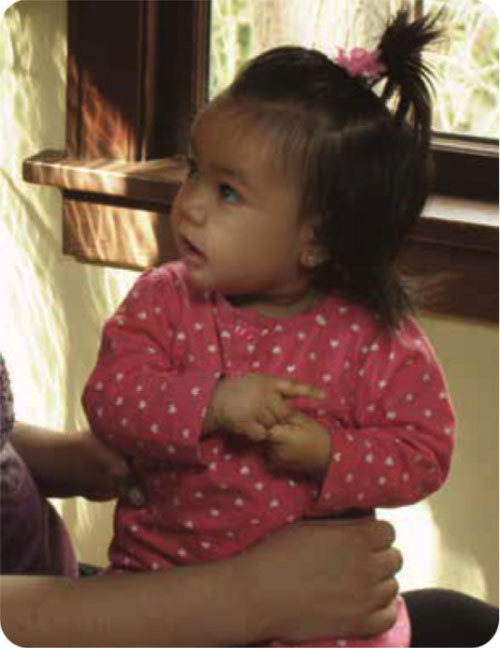
Breathing Coughing, clearing throat, sniffing
These images are taken from the BabyCues Program which is available for purchase on the Parent-Child Relationship Programs website. In the BabyCues program, engagement cues, disengagement cues and subtle disengagement cues are also referred to as Green Light, Red Light and Yellow Light Cues.
The following videos show how these cues look in real-time. Watching these videos helps us learn to recognize cues in others and in ourselves. Noticing our own cues and the cues of others supports our own self-regulation and helps us respond more sensitively to others. Since the cues of a newborn or young baby can often seem hidden in plain sight, helping parents to see these cues right from the start can increase their sensitivity and build their feelings of competence as the baby responds to their sensitive caregiving.